Flat clearance tips for Victorian terraces on Brownhill Road
Posted on 15/07/2026
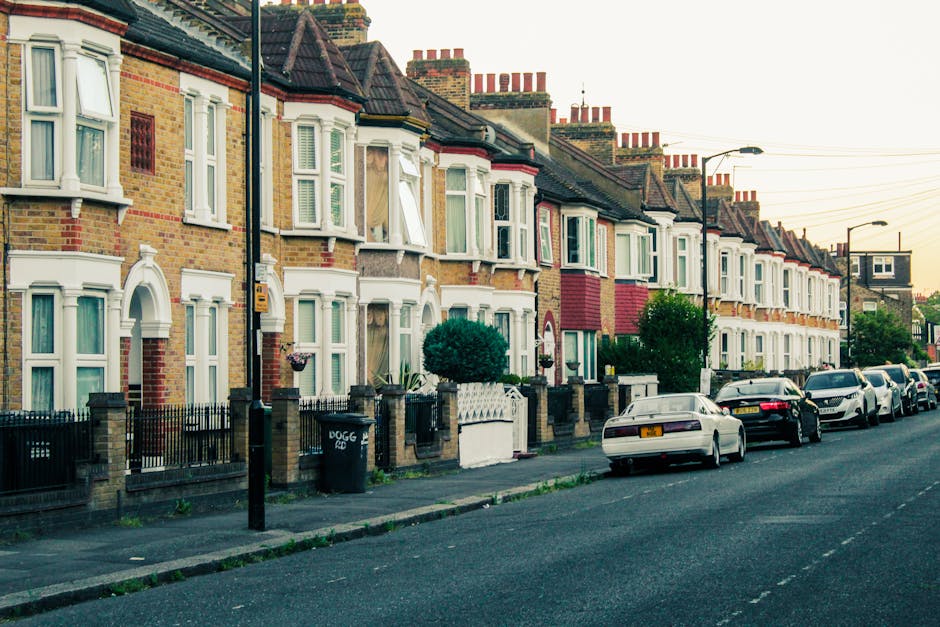
If you are clearing a flat in a Victorian terrace on Brownhill Road, you will already know it is rarely a straight lift-and-load job. Narrow stairwells, tight hallways, shared entrances, awkward corners, and the usual London parking puzzle can turn a simple clear-out into a proper day's work. The good news? With the right plan, flat clearance can be calmer, quicker, and far less stressful than most people expect.
This guide brings together practical flat clearance tips for Victorian terraces on Brownhill Road, with a focus on access, sorting, safety, disposal, and the little decisions that save time. Whether you are clearing a rental flat, preparing a property for sale, dealing with an inherited home, or just finally tackling the spare-room mountain, the steps below should help you get it done without the usual chaos.
And yes, the wallpaper may have seen better days. Let's get into it.
Why Flat clearance tips for Victorian terraces on Brownhill Road Matters
Victorian terraces are lovely to live in, but they were never designed with modern flat clearance in mind. Staircases can be steep and narrow, landings may be compact, and door frames can be tighter than you remember once a wardrobe or sofa is trying to pass through them. On Brownhill Road, where many homes sit within older terrace layouts, these little constraints matter a lot.
That matters for a few reasons. First, the wrong approach can cause damage to walls, banisters, doors, and flooring. Second, poor planning can drag a two-hour job into a half-day slog. Third, if you are clearing someone else's belongings, emotions can run high and decisions get harder. A bit of structure helps. A lot, actually.
There is also the practical side: flats often contain mixed items, from furniture and white goods to paperwork, small electricals, and general household waste. If you do not separate items early, everything ends up in the same pile and the final stage becomes messy. A proper plan keeps the useful, reusable, recyclable, and disposable items apart from the start.
For a bigger mixed job, some people find it easier to think in terms of waste clearance in Catford rather than "moving stuff out" in the vague sense. The clearer the category, the easier the decision.
How Flat clearance tips for Victorian terraces on Brownhill Road Works
The best way to handle a flat clearance in a Victorian terrace is to work backwards from the exit. That sounds a bit odd, but it makes sense once you see it in practice. You begin by checking access, then sort items by category, then remove the easiest and safest items first, and finally deal with bulky or awkward pieces once the route is clear.
In a typical Brownhill Road terrace, the clearance process often follows this pattern:
- Assess access from street to flat, including stairs, turns, and shared areas.
- Identify items to keep, donate, recycle, sell, or dispose of.
- Protect floors, corners, and high-contact surfaces where needed.
- Remove loose and lightweight items first to open up space.
- Deal with bulky furniture and appliances once the route is clear.
- Separate special items such as electricals, mattresses, or heavy furniture for the right disposal method.
It is usually better to complete a quick room-by-room sweep before moving anything. That way, you do not lose track of keys, documents, chargers, sentimental objects, or the one screwdriver you only notice you need after the cupboard is already half dismantled. Happens all the time.
If the flat contains a lot of furniture or large items, you may want to pair the clearance with furniture removal in Catford so the heaviest objects are handled as part of a single planned job rather than an improvised scramble.
Key Benefits and Practical Advantages
A well-planned flat clearance is not just tidier. It is safer, faster, and easier on everyone involved. On a terrace street like Brownhill Road, where parking, access, and timing can all be a bit tight, those advantages become even more noticeable.
Here are the main benefits:
- Less damage risk: Careful routing means fewer scuffs, chips, and accidental knocks on stairs and walls.
- Better time control: Sorting first avoids repeated handling and backtracking.
- Less stress: A plan reduces those frantic "where does this go?" moments.
- Cleaner disposal outcomes: Mixed loads are easier to separate properly when you have a system.
- More usable space sooner: Clearing room by room helps you see progress quickly, which honestly keeps momentum up.
There is also a mental benefit that people often underestimate. When a flat has been full for a while, the clutter can feel bigger than the task itself. Clear a hallway, and suddenly the job looks more manageable. Clear one room, and the whole day feels different. That shift matters more than people think.
If sustainability matters to you, you can also plan the clearance around recycling and reuse. The team behind recycling and sustainability explains the kind of careful sorting that helps keep more items in circulation and less going straight to disposal. It is a sensible habit, and a decent one too.
Who This Is For and When It Makes Sense
This kind of flat clearance guidance is useful for a wide range of situations. Some are planned, some are urgent, and some are just long overdue. No judgement. Life happens.
- Landlords who need a flat emptied between tenancies.
- Tenants clearing out before a move and trying not to leave a last-minute mess.
- Homeowners preparing a property for sale or renovation.
- Families managing an inherited flat with mixed contents and emotional decisions.
- Anyone downsizing who needs a more systematic way of deciding what stays.
- People dealing with bulky waste that simply will not fit in a standard bin plan.
It also makes sense when the clearance includes multiple item types. A flat in a Victorian terrace often hides more than people expect: attic boxes, old dining chairs, a broken appliance, bags of clothes, and a few random items that somehow survived three house moves. If the job has become a general property reset, broader support such as house clearance in Catford may be a better fit than tackling everything as a series of one-off errands.
Sometimes the real question is not "Can I do this?" but "Do I want to spend my weekend doing this?" Fair question, to be honest.
Step-by-Step Guidance
Below is a practical method you can follow whether you are doing the clearance yourself or preparing for a professional team. The sequence matters more than people realise.
- Walk the route first. Check the staircase, door widths, landings, and any awkward turns. Look for loose carpets, slippery steps, low lighting, or anything likely to catch. If the route is tight, measure before moving heavy items.
- Decide what is staying. Use one clear rule: keep, donate, recycle, sell, dispose. Not five rules, not "maybe later." A flat with too many maybe piles becomes confusing very quickly.
- Collect supplies. Strong sacks, labels, marker pens, tape, protective gloves, and basic cleaning materials are usually enough for most jobs.
- Clear the easy items first. Start with paperwork, small clutter, soft goods, and lightweight recyclable items. This opens space and reduces hazards.
- Dismantle bulky furniture where sensible. If a wardrobe, bed frame, or table will not pass through safely, take it apart rather than forcing it through. You will save yourself a headache, and probably a chipped wall.
- Separate special waste. White goods, electricals, and items with sharp edges should be grouped safely and handled properly. For appliance-heavy clearances, white goods and appliance disposal in Catford is the sort of service page worth knowing about before you start.
- Finish with a final sweep. Check cupboards, behind doors, under beds, and inside loft hatches if the flat has them. The number of times people leave one box behind is slightly embarrassing, but common.
- Clean the space lightly once empty. A quick sweep or vacuum makes a huge difference, especially if a landlord, buyer, or decorator is viewing next.
One simple rule helps throughout: if an item can be made safe, sorted, and moved without drama, do that early. If it needs lifting, twisting, or guesswork, slow down.
Expert Tips for Better Results
Here is where the job gets a little smoother. These are the details that tend to separate a manageable clearance from a frustrating one.
- Use the hallway as a staging area, not a dumping ground. Keep it clear enough for movement. Otherwise you create your own obstacle course.
- Protect corners and banisters. Even simple cardboard or folded blankets can help avoid scrapes on tight turns.
- Work top-down when sorting, but bottom-up when carrying. That is, sort from shelves, cupboards, and surfaces before moving heavy base items. It sounds obvious. It is not always done.
- Group items by disposal method. One pile for reuse, one for recycling, one for general waste, one for electricals. Less cross-contamination, fewer mistakes.
- Keep a small "decision box" for unsure items. You do not need to decide every little thing in the first ten minutes. A holding box stops tiny choices from slowing the whole job.
- Schedule bulky lifts when the building is quiet. Early morning or mid-afternoon often works better than school-run chaos or evening rush.
If you are arranging a bigger mixed clearance, it is often worth reviewing the full services overview so you can decide whether a single visit, a split job, or a more tailored waste plan makes the most sense. That kind of decision saves money and time in the long run.
A tiny but useful tip: keep one rubbish sack just for random screws, fixings, and shelf brackets. You think you will remember where they came from. You won't. Not after lunch, anyway.

Common Mistakes to Avoid
A lot of flat clearance problems are predictable. The same few mistakes show up again and again, especially in older terraces where the building itself creates the pressure.
- Starting without measuring the route. This is how wardrobes become immovable objects halfway down the stairs.
- Leaving sorting until the end. Then every item becomes a decision at the same time.
- Forgetting about shared areas. Hallways, landings, and entrances in terrace conversions may be shared, so they need to stay safe and clear.
- Mixing waste types together. Electricals, general waste, and reusable items should not all end up in one pile if you can avoid it.
- Overestimating what one person can move safely. If it feels awkward, it probably is awkward.
- Ignoring time pressure. A clear-out before keys are handed back is not the moment to improvise a plan.
There is also the "I'll just shove it in the hallway for now" problem. That usually creates a bottleneck. The hallway is the bloodstream of the job. Keep it flowing.
Tools, Resources and Recommendations
You do not need specialist gear for every flat clearance, but a few basic tools make the job noticeably easier. Here is a practical shortlist.
| Tool or resource | What it helps with | Practical note |
|---|---|---|
| Strong refuse sacks | Bagging loose items and soft waste | Choose sacks that will not split on the stairs |
| Marker pen and labels | Sorting keep, donate, recycle, dispose | Very useful in busy households or shared clearances |
| Gloves | Handling dusty, dirty, or sharp items | Especially helpful in older flats with long-stored items |
| Blankets or corner protectors | Reducing scuffs on walls and bannisters | Worth it on tight stair turns |
| Basic toolkit | Dismantling beds, shelves, and furniture | Use only if the item is stable and safe to break down |
| Professional clearance support | Bulky, mixed, or time-sensitive clearances | Best when access or volume is the main issue |
For jobs where heavy lifting, awkward access, or safety concerns are part of the picture, it is sensible to read more about insurance and safety before you move anything substantial. You want confidence, not crossed fingers.
And if you are comparing costs or trying to understand what a professional visit might involve, pricing and quotes is a useful place to check before you commit to a date. Not glamorous, but very practical.
Law, Compliance, Standards, or Best Practice
Flat clearance is partly about convenience, but it is also about responsible waste handling. In the UK, you should always be careful about who takes your waste, where it ends up, and whether items are being handled in line with accepted waste management practice. That does not mean every household clear-out becomes a legal project. It does mean care matters.
Good practice usually includes:
- using a properly authorised waste carrier for collected waste;
- keeping items separated where practical, especially reusable and recyclable goods;
- avoiding fly-tipping or handing waste to anyone who cannot explain how it will be managed;
- handling electricals and bulky items in a safe, traceable way;
- being considerate of neighbours, shared entrances, and public pavements while the job is underway.
If you are using a third-party service, it is sensible to understand their compliance basics. The page on waste carrier licence and compliance is especially relevant when you want reassurance that waste is being handled correctly rather than just removed from sight.
For most residents, that is really the heart of it: not just "gone," but gone properly. That distinction matters more than people admit.
Options, Methods, or Comparison Table
There is more than one way to clear a flat on Brownhill Road. The right choice depends on the amount of waste, access, time available, and how much lifting you want to do yourself.
| Method | Best for | Pros | Trade-offs |
|---|---|---|---|
| DIY clearance | Small loads, plenty of time, minimal bulky items | Lower direct cost, full control | Time-consuming, more lifting, access and transport challenges |
| Partial DIY plus collection | Mixed jobs where you can sort first | Efficient, less stress, fewer mistakes | Still requires some effort and planning |
| Full professional clearance | Bulky, urgent, or emotionally difficult clearances | Fast, practical, good for difficult access | Usually higher cost than doing it yourself |
| Room-by-room staged clearance | Large flats or gradual downsizing | Very organised, less overwhelming | Takes longer overall, but often feels easier |
In a Victorian terrace setting, the staged or professional approach often works best because access is the real limiting factor, not just the amount of stuff. A large flat with a narrow staircase can be harder than a larger modern property with easier entry. It sounds obvious after the fact, but people forget it all the time.
Case Study or Real-World Example
Here is a realistic scenario. A couple moving out of a first-floor flat in a Victorian terrace on Brownhill Road have four main problem areas: a heavy sofa that will not turn cleanly on the landing, an old chest of drawers, two bagged piles of mixed household items, and a kitchen full of unwanted small appliances. They have one weekend, a tight handover date, and no desire to spend Sunday arguing with a wardrobe.
What works best in that situation?
First, the flat is sorted into clear groups. Keep items are boxed and labelled. Reuse and donate items are placed together. Electricals and appliances are separated. The bulky furniture is then assessed for safe removal, and the route down the stairs is checked before anything is moved. A blanket is used on a sharp turn, and the hallway is kept open the whole time. Nothing fancy. Just disciplined.
The result is simple: the couple avoids damage, the building stays tidy, and the last day feels manageable rather than frantic. They still had to do a fair bit of lifting, yes, but the job stopped feeling like a mystery halfway through.
That is often the real win with flat clearance. Not speed for its own sake. Control. A bit of calm in the middle of what can otherwise become a messy, noisy afternoon.
Practical Checklist
Use this checklist before you start, and again before you leave the flat.
- Have I checked the staircase, landings, and door widths?
- Have I separated keep, donate, recycle, and dispose items?
- Do I know which items are bulky, fragile, or awkwardly shaped?
- Have I protected corners, bannisters, or flooring where needed?
- Are electricals and appliances grouped separately?
- Have I confirmed what needs dismantling before removal?
- Is the hallway clear enough for safe movement?
- Have I checked cupboards, loft spaces, and hidden storage?
- Do I know how the waste will be handled responsibly?
- Have I planned enough time for the final sweep and clean-up?
Expert summary: the best flat clearance tips for Victorian terraces on Brownhill Road always come back to the same three things: plan the route, sort before shifting, and treat bulky items with more respect than optimism. That last one matters. A lot.
Get a free quote today and see how much you can save.
Conclusion
Flat clearance in a Victorian terrace does not have to be a wrestling match with the building. When you take access seriously, sort items sensibly, and work in a steady order, the whole process becomes far more manageable. That is especially true on Brownhill Road, where older layouts tend to reward careful planning and punish improvisation.
If you remember only one thing, make it this: clear the route before you clear the room. It sounds almost too simple, but it saves time, reduces damage, and keeps the work feeling under control. That is the difference between a stressful day and a decent one.
And if the job feels bigger than expected, that is completely normal. Some clearances are just awkward. No drama, no shame. Take it step by step, and you will get there.